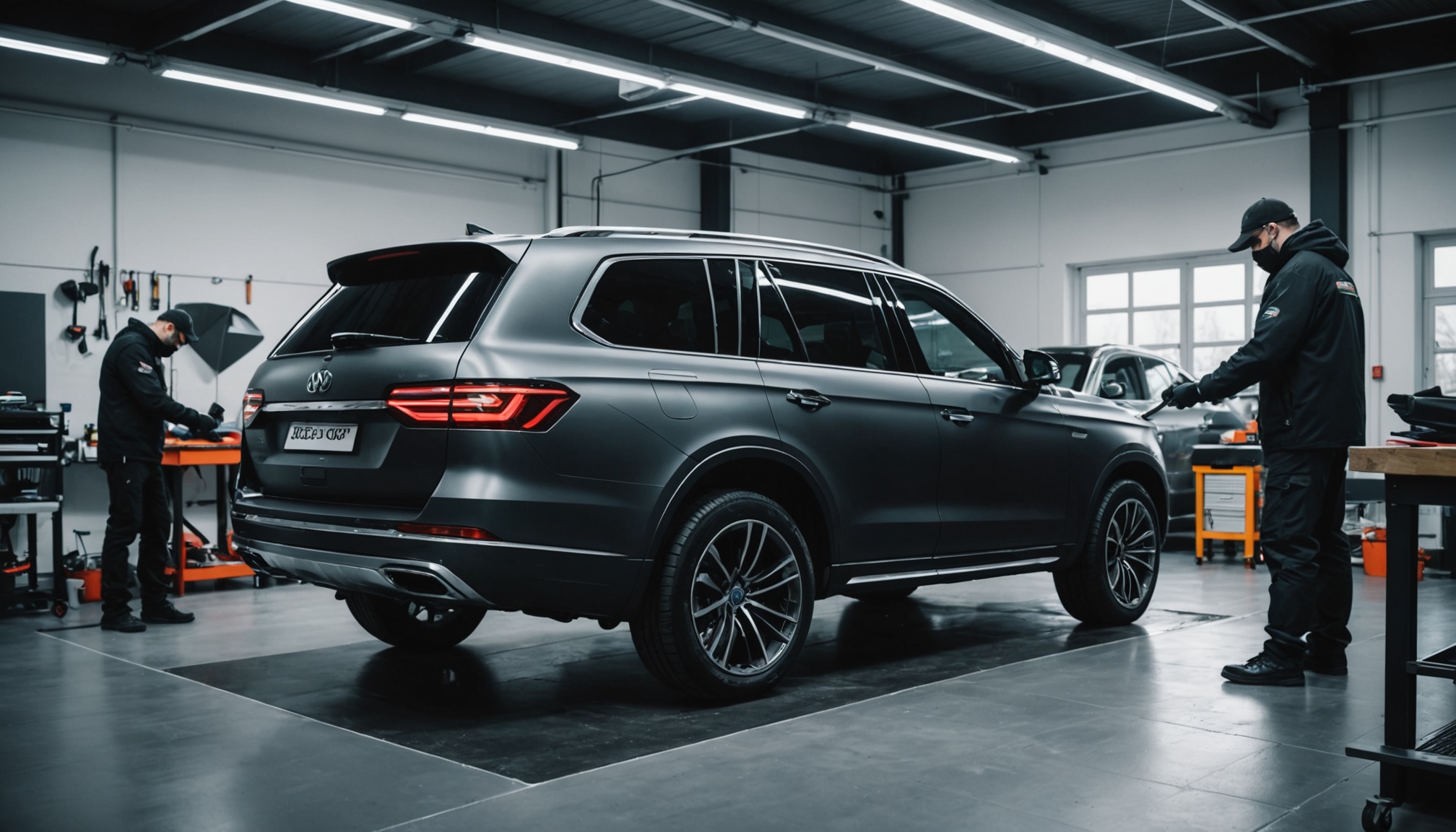
Car wrapping has become a practical solution for drivers in Moscow who want to protect factory paint, refresh the appearance of a vehicle, or preserve resale value without a permanent repaint. In a city with dense traffic, winter road chemicals, frequent parking, and constant exposure to weather, film can help reduce the impact of chips, scratches, and everyday wear. For those comparing service options, оклейка автомобиля пленкой москва is a useful starting point for understanding how professional wrapping is typically organized and what to expect from the process.
The topic is especially relevant because wrapping is no longer limited to styling. It now covers protective transparent films, commercial branding, and temporary color changes, so a driver can solve several tasks at once. The following sections explain film types, installation stages, cost factors, and the main signs of a reliable workshop.
What car wrapping is and why it is in demand in Moscow
Car wrapping means applying a special film to part or all of the body panels. A full wrap changes the entire visible surface, while partial wrapping is used for roofs, mirrors, hoods, bumpers, or decorative accents. Protective wrapping focuses on preserving the paint rather than changing the car’s look. In Moscow, this service is in demand because vehicles are exposed to gravel, salt, frequent washing, temperature changes, and tight parking conditions.
Main goals of wrapping
The goals of wrapping can be aesthetic or practical. Aesthetic wrapping changes the color, finish, or style of the vehicle and allows custom visual effects. Protective wrapping helps reduce the risk of stone chips, minor scratches, and damage from road debris. Businesses also use film for branding, while some owners choose it as a temporary color change that can be removed later without repainting.
Which cars are wrapped most often
Wrapping is ordered for many categories of vehicles. New cars are protected early to preserve their original finish. Used cars are wrapped to refresh appearance or hide minor cosmetic flaws. Leased vehicles often receive reversible film so they can be returned in acceptable condition. Commercial fleets use wrapping for branding and consistent presentation. Premium cars are frequently wrapped to protect expensive paintwork and maintain market value.
Types of film and how they differ
Film choice determines both appearance and durability. Vinyl is usually selected for decorative purposes because it offers a wide range of colors and textures. Polyurethane is more often used for protection because it is thicker and more resistant to impacts. Finishes vary as well: matte gives a restrained look, gloss creates a bright surface, satin sits between them, and textured materials imitate carbon, brushed metal, or other special effects. Each option has strengths and limitations, so the best choice depends on the driver’s goal.
| Film type | Key benefits | Typical use case | Durability | Approximate price level |
|---|---|---|---|---|
| Vinyl | Wide color range, decorative effects, easier replacement | Style change, branding, accents | Medium | Low to medium |
| Polyurethane | Strong impact resistance, better protection against chips | Hood, bumper, mirrors, full protection | High | High |
| Matte | Muted appearance, modern style | Full-body color change | Medium | Medium |
| Gloss | Bright finish, close to painted surface | Color change with shine | Medium | Medium |
| Satin | Balanced shine, premium visual effect | Elegant styling | Medium | Medium to high |
| Textured | Special visual effect, distinctive appearance | Accent parts, custom projects | Medium | Medium to high |
Decorative films
Decorative films are used when the main purpose is to change the look of the vehicle. Color-change materials can be matte, gloss, satin, metallic, or custom printed. They are suitable for drivers who want a new style without repainting. The limitation is that the visual effect matters more than impact resistance, so decorative film is not always the best option for heavily exposed areas.
Protective films
Transparent protective film is designed to absorb minor damage before it reaches the paint. It is usually applied to areas that take the most impact: the front bumper, hood, fenders, mirrors, door edges, and sometimes the full body. This solution is useful for urban driving because it helps reduce the visible consequences of stone chips, sand, and frequent contact during parking.
How to choose film for Moscow conditions
For Moscow conditions, selection should consider weather resistance, resistance to frequent washing, thickness, and expected service life. A good film should remain stable during freezing temperatures, summer heat, and contact with cleaning chemicals. Thicker materials usually offer better protection, but they also require more careful installation. The final choice depends on whether the priority is appearance, defense against damage, or both.
How the wrapping process is performed
A proper wrap is not just a matter of applying film to a clean surface. The result depends on inspection, preparation, fitting, post-heating, and careful quality control. For a first-time client, understanding the workflow makes it easier to evaluate the workshop and ask the right questions.
- Initial consultation and inspection of the vehicle.
- Selection of film type, finish, and coverage area.
- Washing and full surface cleaning.
- Degreasing and removal of contaminants.
- Disassembly of necessary parts if required.
- Film positioning, application, and smoothing.
- Trimming, edge sealing, and heating.
- Final curing and handover with inspection.
Vehicle preparation before installation
Preparation affects adhesion more than many owners expect. The body must be thoroughly washed, dried, and degreased so that dust, wax, tar, or polishing compounds do not remain under the film. If contaminants are left on the panel, bubbles, lifting edges, and uneven adhesion can appear later. Proper preparation also helps the installer achieve a cleaner final finish.
Installation and finishing
During installation, the film is aligned, laid onto the panel, and carefully smoothed to remove air pockets. Heat is used to make the material more flexible and to help it conform to curves, recesses, and edges. After that, the film is trimmed and sealed in a way that reduces the chance of peeling. Finishing quality is especially important on bumpers, mirrors, and complex body lines.
Quality control after work
After wrapping, the client should inspect seams, bubbles, symmetry, and edge adhesion. The film should sit evenly without visible tension marks or misalignment. Small defects around corners can become larger later, so it is worth checking the car carefully in daylight or under bright workshop lighting before acceptance.
How much car wrapping costs in Moscow
Pricing depends on several variables, and the same type of service can differ significantly between workshops. The main factors are vehicle size, film category, amount of covered area, body complexity, and labor intensity. Sports cars, luxury models, and vehicles with many curves or difficult access points usually cost more because installation takes longer and requires more precision.
| Pricing factor | Why it affects the final cost |
|---|---|
| Car class | Larger and more complex vehicles require more material and labor. |
| Film type | Polyurethane and premium finishes cost more than basic vinyl. |
| Coverage area | Full-body wrapping is more expensive than partial protection. |
| Surface complexity | Curves, recesses, and sharp edges increase installation time. |
| Labor intensity | Disassembly, trimming, and post-heating add to the total price. |
What is included in the price
The final amount usually includes material cost, labor, preparation, and sometimes additional services such as part removal or aftercare instructions. It is important to clarify whether the quotation covers the full process or only the film itself. A low starting price can become less attractive if preparation, trimming, or warranty terms are charged separately.
Why prices vary between workshops
Workshops differ in equipment, installer experience, material suppliers, and warranty conditions. Some use certified materials and provide detailed service terms, while others focus mainly on speed. Better tools, a cleaner installation environment, and more experienced staff usually lead to a higher price but also to a more consistent result.
How to choose a reliable wrapping service
Choosing a service provider is as important as selecting the film. A reliable workshop should be able to show completed projects, explain material differences, and describe how the installation will be performed. It is also useful to compare warranties, because a good warranty indicates confidence in workmanship and material quality. When comparing options, a practical example can be found via оклейка автомобиля пленкой москва, where the focus is on service details that help a client understand what to ask before ordering.
- Check the film brand and technical specifications.
- Ask what warranty applies to the material and installation.
- Review photos of completed projects, not only edited marketing images.
- Clarify whether surface preparation is included.
- Read the contract terms before paying a deposit.
- Request aftercare instructions in writing.
Questions to ask before signing an order
A client should ask which film will be used, how long the service life is expected to be, whether disassembly is necessary, and what areas of the body will be covered. It is also reasonable to ask how the workshop handles edge sealing, what warranty is provided, and how the car should be washed after installation. Clear answers usually indicate an organized process.
Signs of a professional installation
Good workmanship is visible in smooth surfaces, even alignment, clean edges, and the absence of trapped air. The film should follow the body lines naturally without excessive stretching or visible tension. Warning signs include peeling corners, irregular seams, dust under the material, and inconsistent color or finish across panels.
How to care for a wrapped car
Proper care extends the life of the film and helps preserve its appearance. After installation, it is usually advisable to avoid aggressive washing and heavy mechanical stress for a short period, according to the workshop’s instructions. Later, gentle hand washing or careful touchless washing is often preferable to harsh methods.
What is allowed and what should be avoided
Safe care includes mild detergents, soft microfiber cloths, controlled water pressure, and regular cleaning of dirt and road salt. It is better to avoid abrasive sponges, strong solvents, rough brushes, and high-pressure jets aimed directly at edges. Parking under trees with aggressive sap or leaving chemical deposits on the surface for long periods can also shorten film life.
How long the film can last
Service life depends on the material, driving conditions, and maintenance. Decorative vinyl often lasts several years, while quality protective film can remain effective longer if it is installed correctly and cared for properly. Frequent winter use, harsh washing, and constant city traffic usually shorten lifespan compared with calmer usage.
When wrapping is the better choice than repainting
Wrapping often makes more sense than repainting when the owner wants a reversible change, faster turnaround, or additional paint protection. It is usually less time-consuming than a full repaint and can be removed later if needed. Repainting, on the other hand, is more suitable when a body panel requires restoration after serious damage or when the original finish is already beyond cosmetic correction.
Situations where wrapping is especially practical
Wrapping is particularly practical for lease returns, temporary style changes, new-car protection, and fleet branding. It is also useful for drivers who want to preserve resale value or test a new look without committing to a permanent color change. In these cases, film offers flexibility that paint cannot provide.
Car wrapping in Moscow is a flexible service that can improve appearance, protect factory paint, and help maintain resale value. The result depends on choosing the right film, understanding the installation process, and checking the quality of the workshop before ordering. Cost is shaped by material, vehicle type, and labor complexity, while durability depends on both installation and care. When the material matches the task and the film is applied carefully, the wrapped car keeps a neat appearance and performs well in daily city use.
Похожие записи:
 Different Types of Wheel Finishes and Their Impact
  Experience Luxury on the Move: Rent a Premium Car in Moscow Without a Driver from TOPCAR
  Unveiling Secrets: A Comprehensive Guide to Private Detective Services in Moscow
  How Regular Garage Door Care Keeps Your Home Safe and Smooth
  Revamping Bathrooms: Expert Bathtub & Tile Reglazing and Refinishing Services in NYC and Beyond
  Understanding the Basics of Wheel Types: A Comprehensive Guide
  Understanding Offset and Its Impact on Fitment
  A Guide to Aftermarket Wheels: What to Consider
  Compatibility of Tire Types with Wheel Materials
  Custom Wheels: Finding the Perfect Fit for Your Car
  The Impact of Wheel Design on Aesthetics and Performance
  The Aesthetics of Wheel Design: Choosing Style Over Function
  Comparing Different Wheel Brands: What to Look For
  Gel nail polish in the catalog sensgel.ru : everything you need to know about the choice and application
  Choosing the Right Bolt Pattern for Your Wheels
  How to Determine the Right Wheel Size for Your Vehicle

