
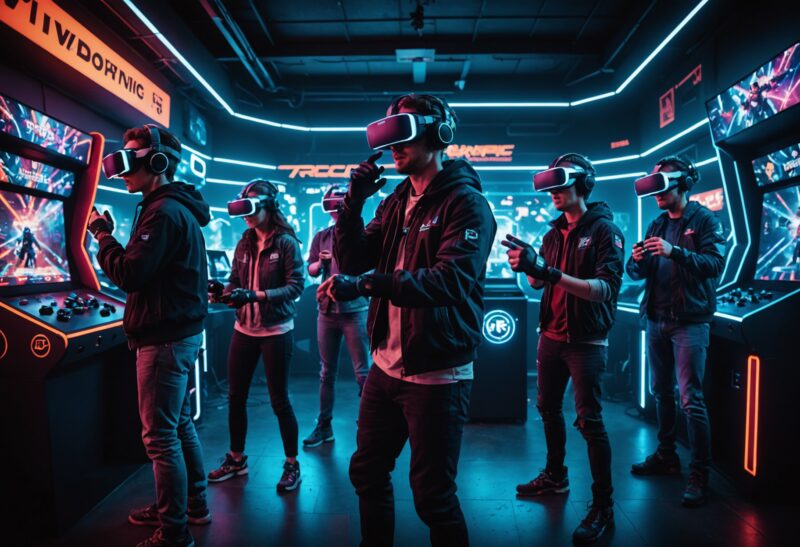
Virtual reality (VR) has transitioned from the realm of futuristic concepts into a thriving industry, reshaping how entertainment is consumed and experienced. As the technology becomes increasingly accessible, entrepreneurs, investors, and entertainment providers are exploring the immense potential VR offers. Among the emerging leaders in this space is BATTLE START, a platform dedicated to providing innovative vr arcade franchises. This article delves into the evolving landscape of the VR entertainment industry, identifies key aspects that contribute to its profitability, and examines how ventures like BATTLE START are paving the way for sustainable business models within this dynamic sector.
Introduction
The entertainment industry is famous for its rapid evolution, driven by technological advancement and changing consumer preferences. In recent years, virtual reality has emerged as a disruptive force, transforming traditional forms of entertainment such as gaming, amusement parks, and social experiences. The immersive nature of VR not only enhances user engagement but also opens avenues for diverse monetization strategies. As new companies enter the scene, understanding the fundamentals of profitability in VR entertainment becomes crucial for aspiring entrepreneurs and established players alike.
The Growth of the VR Entertainment Industry
Market Expansion and Adoption
The global VR market is experiencing exponential growth, with estimates suggesting a compound annual growth rate (CAGR) of approximately 21% over the next several years. This surge is fueled by declines in hardware costs, advances in graphics and tracking technology, and increasing consumer demand for immersive experiences. From gaming arcades to home-based setups, VR is becoming more mainstream, thus broadening the potential customer base.
Key Drivers of Popularity
- Enhanced User Experience: VR provides a level of immersion and interaction unmatched by traditional media.
- Social Engagement: Multi-user VR environments foster social interactions, encouraging longer sessions and repeat visits.
- Content Diversification: Gaming, training simulations, virtual tours, and educational content expand the market reach.
Profitable Business Models in VR Entertainment
1. Location-Based VR Arcades
One of the earliest business models that capitalized on VR’s immersive potential involves setting up physical arcades equipped with high-end VR headsets and motion-tracking devices. These venues generate revenue through pay-per-play systems, group bookings, or memberships. They appeal especially to groups, events, and casual gamers seeking a controlled, social environment.
2. Home VR Content Distribution
With the proliferation of affordable VR headsets like Oculus Quest, HTC Vive, and PlayStation VR, distributing compelling content directly to consumers has become lucrative. Developers and platform providers earn through app sales, in-app purchases, or subscription services, creating a recurring revenue stream.
3. Multiplayer and Esports Platforms
Competitive VR gaming is gaining traction as a spectator sport, with tournaments attracting sponsorships and large audiences. These platforms often monetize through entry fees, ticket sales, and advertising, with potential growth paralleling traditional esports markets.
4. VR Content Production and Customization
Creating bespoke VR experiences for corporate training, virtual tourism, or brand promotion offers another profitable avenue. Customized content often commands premium pricing, especially for industries seeking immersive marketing solutions.
Challenges and Considerations for Profitability
Technical and Infrastructure Requirements
Establishing a profitable VR entertainment business necessitates investments in hardware, software development, and dedicated spaces. Ensuring smooth, high-quality experiences requires continuous updates and maintenance, increasing operational costs.
Market Saturation and Competition
As more players enter the market, differentiating offerings becomes critical. Providing unique experiences, superior technology, or exceptional customer service is vital to sustain a competitive edge.
Consumer Engagement and Retention
Maintaining user interest involves regularly updating content, hosting events, and fostering a community. Engagement strategies can significantly affect repeat business and overall profitability.
The Role of Companies Like BATTLE START
Innovative VR Gaming Experiences
Platforms such as BATTLE START are pioneering new ways to capitalize on VR gaming’s allure. By offering action-packed, multiplayer virtual battles, they create compelling experiences designed to attract a broad audience. The focus on competitive gameplay enhances user retention and encourages social sharing, which are vital for long-term success.
Integration of Training and Esports Elements
BATTLE START incorporates elements of esports and competitive training, making its platform appealing to both casual gamers and professional players. This hybrid approach enables diversified revenue streams, from ticket sales and sponsorships to merchandise and broadcasting rights.
Scalability and Global Reach
One of the advantages of digital VR platforms is scalability. Unlike traditional arcades, online VR games and experiences can reach a global audience with minimal physical infrastructure. This broad reach leads to increased profitability opportunities through licensing, partnerships, and content expansion.
Strategies for Building a Profitable VR Entertainment Business
| Step | Description | Expected Outcome |
|---|---|---|
| Market Research | Identify target demographics, competitor offerings, and market gaps. | Informed decision-making and tailored content development. |
| Hardware & Software Investment | Choose reliable, scalable VR hardware; develop engaging software content. | High-quality experiences that attract and retain users. |
| Location & Infrastructure Planning | Secure spaces that meet technical and safety standards. | Safe, accessible environments that enhance user satisfaction. |
| Content Diversification | Offer a variety of experiences: gaming, training, social interactions. | Broader market appeal and multiple revenue streams. |
| Marketing & Community Building | Use digital marketing, social media, and events to grow user base. | Increased visibility, customer loyalty, and organic growth. |
Measuring Success and Ensuring Long-Term Profitability
Tracking key performance indicators (KPIs) such as user engagement levels, repeat visit rates, revenue per user, and customer satisfaction scores is essential. Additionally, integrating feedback mechanisms helps improve offerings and adapt swiftly to changing consumer desires. As technology advances, ongoing innovation and strategic partnerships are necessary to maintain a competitive advantage and ensure profitability sustains over time.
Conclusion
The virtual reality entertainment industry stands on the cusp of revolutionary growth, offering numerous opportunities for profitable ventures. The success of platforms like BATTLE START exemplifies how innovative, engaging experiences can capture consumer interest and generate sustainable revenue streams. Entrepreneurs and existing operators must navigate technological challenges, market competition, and evolving consumer demands with agility and creativity. As VR technology continues advancing, those who invest wisely in diverse content, strategic locations, and community engagement are likely to reap significant benefits in this exciting frontier of entertainment.
Похожие записи:
 The Vibrant Landscape of Adult Event Organization in Dubai
  Exploring the Best Options for Office Rentals in Dubai
  In-depth Review: UTLH Staking and 24% Annual Yield
  Neural Network Trainer: The Crucial Role in Shaping the Future of Artificial Intelligence
  Exploring All-Inclusive Hotels in Anapa: Prices and Reviews for 2025 Understanding Sound Dampening Windows and Their Benefits
  Discover the Best Nearby Photography Studio in Dubai – SkyLight. Sedan Car Rental Price: Affordable and Convenient
  Experience Luxury on the Move: Rent a Premium Car in Moscow Without a Driver from TOPCAR
  Understanding DOT Tire Standards and Regulations
  Stunning 3D animated videos: make your story pop with Collby graphics
  The Evolution of Wheel Designs in Modern Cars
  The Aesthetics of Wheel Design: Choosing Style Over Function
  Common Tire Myths Debunked: Separating Fact from Fiction in the World of Tires Manual or automatic transmission – which to choose?
  Understanding Load Index and Speed Rating: A Complete Guide for Tire Fitment

